
The History of Mitsubishi: From a Small Business to Space
Today, we explore incredible journey of Mitsubishi, which started in the seas, expanded to land, and now ventures into space. Overcoming challenges, the company evolved impressively over more than a century.
Humble Beginnings
Mitsubishi’s story began in 1835 in Aki, where Irohazaka Eitaro was born into a farming family with samurai origins. Financial struggles forced Eitaro’s ancestor to sell their samurai status, facing challenging times ahead.
Influences and First Steps
At 19, Eitaro moved to Edo, now Tokyo, for education. A family incident disrupted his studies, eventually leading him into government, where he began influencing industry and trade.
Founding of Mitsubishi
In 1873, Eitaro acquired three steamships, renaming the company “Mitsubishi” for its iconic “three diamonds” symbol. The company soon aligned with government interests, playing key roles in military transportation.
Innovation and Expansion
After Eitaro’s passing, Yataro led the company, expanding into coal mining using advanced technologies. This growth attracted his nephew, Iwasaki Yataro, who drove Mitsubishi’s shipbuilding ambitions.
Diversification of Mitsubishi
By the early 1900s, the company became an industrial conglomerate, entering shipbuilding, mining, and financial services. Japan’s first mass-produced car, the Mitsubishi Model A, debuted in 1917.
Challenges During World War II
During WWII, the company manufactured military aircraft, including the famous A6M Zero fighter. Post-war sanctions dismantled the company temporarily, ceasing its logo use and dissolving subsidiaries.
Recovery and Rebirth
Mitsubishi regained its logo rights after the 1952 San Francisco Peace Treaty, beginning to rebuild its industrial presence. Investments in automotive production included models like the Mitsubishi 500.
The Modern Era of Mitsubishi
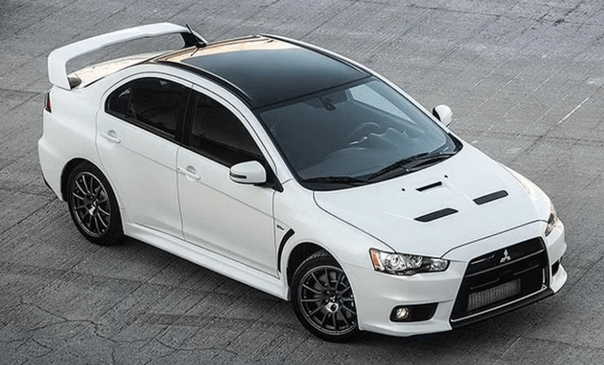
The 1970s saw Mitsubishi Motors form, entering North America through Chrysler. Iconic models like the Lancer and Galant highlighted Mitsubishi’s technological innovations and international expansion.
Recent Challenges and Legacy
In the 2000s, Mitsubishi faced challenges from a data scandal affecting its stock. Yet, it recovered, remaining a key automotive player worldwide, diversifying in several industries.
Mitsubishi’s story exemplifies resilience, innovation, and adaptability. From its beginnings to its place as a global force, the company thrives on reinvention amid a constantly changing world.
Certainly! Here’s a reformatted version of the Mitsubishi article that incorporates tables for a structured and visually appealing layout.
Mitsubishi’s History and Evolution
| Period | Event | Description |
|---|---|---|
| 1835 | Humble Beginnings | Irohazaka Eitaro, born into a samurai farming family in Aki, faced financial hardships. His family was forced to sell their samurai status, beginning a journey through challenging times. |
| 1854 | Influences and First Steps | At 19, Eitaro moved to Edo (modern-day Tokyo) to pursue education, but a family incident interrupted his studies. Eitaro ultimately joined the government, marking his first influence on Japan’s industry and trade. |
| 1873 | Founding of Mitsubishi | Eitaro purchased three steamships, renaming his business “Mitsubishi” for its iconic “three diamonds” symbol. Mitsubishi quickly aligned with government interests, notably in military transportation. |
| 1880s | Innovation and Expansion | After Eitaro’s passing, Yataro led the company, expanding it into coal mining with advanced technologies. His nephew, Iwasaki Yataro, later drove the company’s shipbuilding ambitions. |
| Early 1900s | Diversification | Mitsubishi expanded into shipbuilding, mining, and financial services, becoming an industrial conglomerate. In 1917, Japan’s first mass-produced car, the Mitsubishi Model A, marked the company’s entry into the automotive industry. |
| 1939-1945 (WWII) | Challenges During World War II | Mitsubishi produced military aircraft, including the A6M Zero fighter. Post-war sanctions dismantled Mitsubishi, leading to the temporary cessation of its logo and the dissolution of its subsidiaries. |
| 1952 | Recovery and Rebirth | Mitsubishi reclaimed its logo rights after the 1952 San Francisco Peace Treaty. It began rebuilding, investing in automotive production, including models like the Mitsubishi 500. |
| 1970s | The Modern Era | Mitsubishi Motors formed, marking its entry into North America with a partnership with Chrysler. Iconic models like the Lancer and Galant showcased Mitsubishi’s technological and global reach. |
| 2000s | Recent Challenges and Legacy | Despite a data scandal impacting its stock, Mitsubishi recovered and continued as a global player, diversifying across multiple industries. |
