
The Most Economical Cars of 2024: Top Choices to Reduce Fuel and Maintenance Costs
In 2024, cost efficiency has become a top priority for cars buyers worldwide.
Many consumers are on the lookout for vehicles that balance affordability, durability, and fuel efficiency in everyday driving.
Below is a guide on the most economical models of the year, along with key factors that make these cars advantageous, especially for those looking to cut back on fuel and maintenance expenses.
1. Compact Hybrid Models
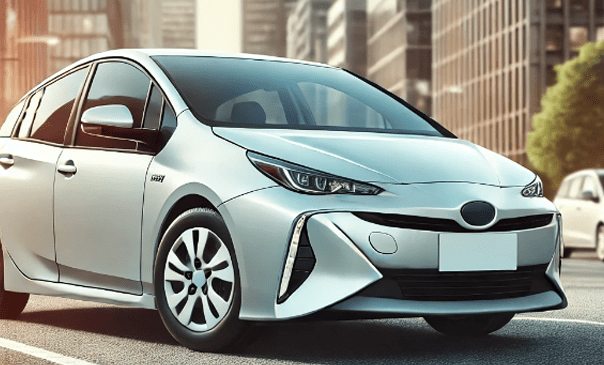
To begin with, compact hybrids remain a popular choice due to their impressive fuel economy and low maintenance costs. Models like the Toyota Prius and the Honda Insight lead this segment, offering energy recovery technology and long-lasting batteries that help keep maintenance costs low.
- Fuel economy: With an average of 20 to 25 km/l in city driving, hybrids significantly outperform most gasoline-only cars.
- Additional advantages: Environmentally friendly, these models offer durable and safe materials, as well as strong resale value.
2. Affordable Electric Cars
Moreover, as charging infrastructure expands and incentives for electric vehicles grow, models like the Chevrolet Bolt EV and the Nissan Leaf have emerged as accessible, cost-effective choices.
- Cost per kilometer: Electric vehicles drastically reduce fuel expenses, and compared to gasoline cars, they have fewer moving parts, which translates to fewer repairs.
- Maintenance costs: Maintenance typically involves only tire, brake, and essential fluid replacements, resulting in fewer trips to the mechanic.
3. Mild Hybrid Technology Models of Cars
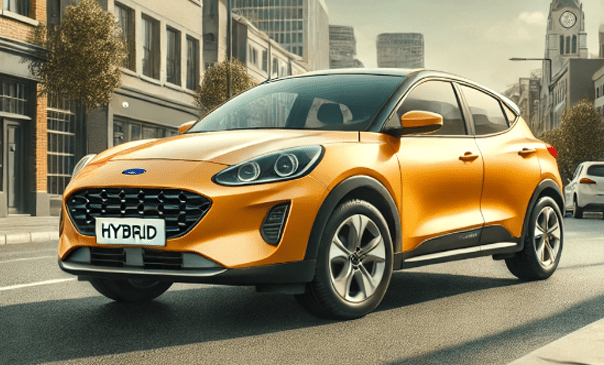
For those who still prefer gasoline vehicles, models with Mild Hybrid technology are a practical alternative. Vehicles like the Ford Puma EcoBoost Hybrid and the Suzuki Swift Hybrid combine a combustion engine with a small electric motor that assists at low speeds, reducing fuel consumption.
- Fuel economy: These models offer better fuel economy, averaging up to 18 km/l in the city.
- Cost advantages: They do not require external charging, and the auxiliary electric motor reduces stress on the main engine, extending its lifespan.
4. Gasoline Subcompact Cars
Furthermore, gasoline subcompact models such as the Kia Picanto and the Hyundai HB20S are excellent options for those seeking economy without sacrificing an affordable purchase price.
- Average consumption: These vehicles achieve up to 16 km/l in urban settings, making them well-suited for short daily commutes.
- Reduced maintenance costs: Being compact and simple, they have fewer complex parts and rely on affordable components, leading to cheaper and faster maintenance.
5. Popular Models with Turbo Engines
Lastly, smaller turbo engines, as found in vehicles like the Volkswagen T-Cross and the Chevrolet Onix Turbo, allow cars to be both powerful and fuel-efficient, striking a balance between performance and economy.
- Fuel efficiency: Turbo models reach up to 14-15 km/l in city driving.
- Turbo engine advantage: Smaller engines consume less fuel under normal conditions, while the turbo provides extra power when needed—ideal for those looking for a well-rounded option.
Key Cost-Saving Factors in 2024: What to Consider When Choosing an Economical Cars
Fuel Consumption and Energy Efficiency
Firstly, fuel efficiency plays a significant role in minimizing daily expenses, especially for urban driving. Aiming for models that average above 15 km/l is a reliable benchmark for economy.
Maintenance Costs and Replacement Parts
Secondly, regular maintenance, such as oil changes and tire replacements, varies in cost depending on the model and brand. Opting for brands with a broad service network and affordable replacement parts, like Toyota and Honda, can help reduce expenses.
Battery Durability in Electric and Hybrid Vehicles
Moreover, replacing batteries in electric and hybrid models can be costly; however, battery longevity has improved significantly, with some lasting up to 8-10 years. Checking the manufacturer’s warranty coverage provides added security.
Energy Recovery Technology and Regenerative Braking
Additionally, vehicles with energy recovery systems can extend their range and reduce fuel reliance, a feature found in many hybrid and electric models.
Tax Incentives and Exemptions
Finally, many countries offer incentives for electric and hybrid vehicle purchases, such as tax reductions and registration fee exemptions.
These incentives can greatly reduce the total cost of owning eco-friendly models.
In summary, the most economical cars of 2024 go beyond their initial price tag by considering total ownership costs over time.
Technological advancements, such as hybrid, electric, and compact turbo engines, are providing more options for consumers who want to save on fuel without compromising on quality or comfort.
When choosing a car, it is wise to evaluate driving needs, maintenance expenses, and fuel efficiency to find the best fit for your lifestyle.
