
The evolution of car safety: from seat belts to autonomous driving
The world of car safety has changed a lot over the last 100 years. It started with simple seat belts and now we have advanced autonomous driving. This article will look at the important steps that made cars safer for everyone.
Seat belts were the first big step in car safety. They were a simple but powerful invention that saved many lives. As cars became more common, engineers worked to make them safer in crashes. They added crumple zones and airbags, and made crash tests to check how safe cars were.
Then, ABS and ESC changed how cars handled emergencies. These systems helped drivers stay in control and avoid accidents. Now, we also have blind spot monitoring, lane departure warnings, and rear-view cameras. These features help drivers see and avoid dangers better.
Now, we’re moving towards cars that drive themselves. These self-driving cars use sensors and smart tech to avoid accidents. This new technology is making our roads safer than ever before.
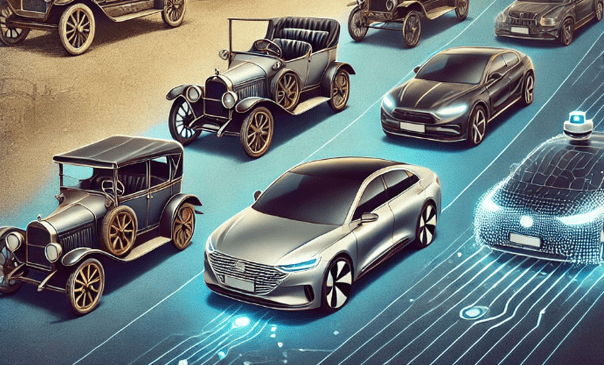
Early milestones in car safety
As cars became more common, makers knew they had to make them safer. They introduced two key features: seat belts and crumple zones. These innovations were big steps towards making cars safer.
The Invention of Seat Belts
Seat belts were first patented in the 1950s. By the 1960s, they became a must-have in cars. They greatly cut down on injuries and deaths in crashes.
Seat belts keep people inside the car, stopping them from being thrown out. They also prevent people from hitting the inside of the car during a crash.
Introduction of Crumple Zones
At the same time, car makers started adding crumple zones to cars. These zones are made to absorb crash impacts, keeping passengers safe. They are found at the front and back of the car.
Together, seat belts and crumple zones were huge steps forward in car safety. They set the stage for even more safety features in the future.
Emergence of airbags
The 1970s saw a big leap in car safety with the invention of airbags. These devices inflate quickly to protect drivers and passengers. They have saved many lives.
Airbags inflate fast in a crash to soften the impact. They work with seatbelts to keep people safe. This combo helps prevent serious injuries.
Over time, airbags have gotten better. Now, they have features like dual-stage inflation and side airbags. They even have sensors to adjust how they inflate based on the crash.
Now, airbags are in almost every new car. They add an extra layer of safety. As car safety tech keeps improving, airbags will keep playing a key role.
| Year | Airbag Developments |
|---|---|
| 1970s | Airbag technology first introduced |
| 1980s | Dual-stage inflation systems developed |
| 1990s | Side airbags and advanced sensors introduced |
| 2000s | Continued refinements and widespread adoption of airbags |
“Airbags have played a crucial role in reducing the severity of injuries and saving lives in car crashes. Their evolution has been a significant milestone in the ongoing effort to improve car safety.”
Crash test ratings and improved structural design
Crash test programs use special dummies to check if cars are safe. These tests help make cars stronger and safer. They look at how well the car’s frame and body handle crashes.
The Role of Crash Test Dummies
Crash test dummies are special models that act like people in crashes. They help check if safety features like seat belts and airbags work. This data helps make cars safer for everyone inside.
Advancements in Vehicle Frame and Body Construction
Crash tests have led to big changes in car design. Cars now use stronger materials like high-strength steel and aluminum. New designs, like crumple zones, help cars absorb crash energy better.
| Crash Test Ratings | Vehicle Frame and Body Construction |
|---|---|
| Frontal impact Side impact Rear impact Rollover | High-strength steel Aluminum alloy Crumple zones Reinforced passenger compartment |
“Crash test ratings and advancements in vehicle frame and body construction have played a vital role in improving car safety, protecting drivers and passengers during collisions.”
Anti-lock braking systems (ABS)
The 1970s saw a big leap in car safety with the introduction of anti-lock braking systems (ABS). ABS is a key technology that stops wheels from locking up during sudden stops. This lets drivers keep control and steer, even on slippery roads.
How ABS Enhances Car Safety
When a driver brakes hard, wheels can lock up, causing the car to skid. ABS checks each wheel’s speed and pulses the brakes to stop wheels from locking. This helps drivers steer better, cutting down on accidents, especially on wet or icy roads.
ABS has greatly improved car safety. Research shows cars with ABS are much less likely to be in accidents. In fact, they can be up to 35% less likely to crash than cars without ABS.
| Feature | Benefit |
|---|---|
| Prevents wheel lockup | Maintains steering control during sudden braking |
| Improves braking performance on slippery surfaces | Reduces the risk of skidding and loss of control |
| Enhances driver’s ability to avoid obstacles | Lowers the chances of collisions |
The use of anti-lock brakes (ABS) has been a major change in the car world. It has made cars much safer and cut down on accidents on the road.
Electronic stability control (ESC)
Electronic stability control (ESC) has changed car safety a lot. It’s now a must-have in all new cars in the U.S. since 2011. ESC helps stop rollovers and keeps cars stable, especially when driving fast or on slippery roads.
ESC watches how the car moves and uses sensors to spot trouble. If it sees the driver losing control, it brakes some wheels and adjusts the engine. This helps steer the car back on track. It stops the car from sliding or rolling over, helping drivers stay safe.
| Feature | Benefit |
|---|---|
| Wheel-specific braking | Helps maintain directional control and stability |
| Engine torque adjustment | Enhances traction and prevents loss of control |
| Sensor monitoring | Detects potential stability issues and triggers interventions |
The use of electronic stability control (ESC) has greatly improved car safety. It gives drivers more control and stability. This has helped prevent accidents and cut down on rollovers, saving many lives.
Blind spot monitoring and lane departure warning systems
The car industry keeps getting better, thanks to new sensor tech. This tech brings us safety features like blind spot monitoring and lane departure warning systems. These systems make driving safer and help avoid accidents.
Blind spot monitoring uses cameras and radar to spot cars in the blind spots. It alerts drivers when another car is there. This helps drivers change lanes and merge more safely.
Lane departure warning systems do something similar. They watch if the car is staying in its lane. If it’s not, they warn the driver with a beep or light. This keeps the car on the right path.
These safety features are now common in cars. They add an extra layer of protection for everyone inside. They help drivers see potential dangers sooner, making roads safer.
“Blind spot monitoring and lane departure warning systems are game-changers in the world of automotive safety. These technologies empower drivers to be more aware of their surroundings, making the roads safer for everyone.”
As car safety gets better, these systems will be key. They work well with other tech to make driving safer and more connected.
Rear-view cameras and collision avoidance technology
Rear-view cameras and collision avoidance tech have made cars safer. Features like automatic emergency braking and forward collision warnings help drivers avoid accidents. This reduces the chances and severity of crashes.
The Impact of Car Safety Features on Insurance Rates
Insurance companies give discounts for cars with these safety features. They want drivers to install rear-view cameras and collision avoidance systems. This encourages safer driving and protects everyone on the road.
A study found cars with rear-view cameras have 17% fewer accidents. Collision avoidance tech cuts rear-end crashes by 50%. These numbers show how these features improve road safety and lower insurance costs.
“The integration of rear-view cameras and collision avoidance technologies has been a game-changer in the automotive industry, making our roads safer and more secure for everyone.”
More people want cars with these safety features. This demand will drive tech improvements and lower insurance rates for safe drivers.
The rise of autonomous driving and its implications for car safety
Autonomous driving technology is changing car safety fast. Autonomous driving uses sensors, artificial intelligence, and algorithms. It aims to cut down on human error and make roads safer.
Autonomous driving removes risks from distracted, impaired, or reckless drivers. Self-driving cars focus better than humans, reducing accidents. This could save many lives and lower healthcare and insurance costs.
Also, autonomous driving brings new safety features. These include:
- Precise collision avoidance systems that can react faster than human drivers
- Seamless communication between connected vehicles to anticipate and mitigate hazards
- Optimized driving patterns that minimize the risk of accidents and improve traffic flow
As autonomous driving grows, car makers and tech firms are investing more. They aim to make cars safer and more aware. This could lead to a future where cars protect everyone better.
| Feature | Benefit |
|---|---|
| Collision Avoidance | Faster reaction times and precise maneuvers to avoid accidents |
| Vehicle-to-Vehicle Communication | Enhanced situational awareness and coordinated responses to hazards |
| Optimized Driving Patterns | Improved traffic flow and reduced risk of collisions |
The future of autonomous driving looks bright for car safety. It could make driving safer for everyone.
Future advancements in car safety technology
The car industry is always getting better, thanks to hard work from researchers and makers. They’re creating new safety features and tech. Their goal is to make car accidents rare, so everyone can travel safely.
Improving collision avoidance systems is a big focus. These systems use sensors, cameras, and communication to spot dangers and act fast. Also, new driver monitoring tech is being developed. It uses biometrics and AI to catch when drivers are tired, distracted, or not okay.
Another important area is linking cars with smart roads. This means cars can share data with traffic lights and sensors in real-time. This helps cars know what’s happening on the road and react quickly, making accidents less likely.
